Skip to content
When a cosmetic brand increases production, manual filling can quickly become inconsistent. A small variation in volume affects appearance, cost, and customer confidence. In this setting, a lip gloss filling machine offers controlled dosing and more repeatable results.
From practical factory experience, operators use these machines to fill tubes, jars, or customized containers with less product waste. Heated hoppers can keep thick gloss flowing at a stable temperature. Adjustable nozzles help reduce dripping, stringing, and air pockets. These details matter when formulas contain oils, waxes, pigments, or shimmer particles. A calibrated piston or servo system can deliver a more consistent fill than repeated hand measurements. Still, equipment does not replace judgment. Formula viscosity, container shape, and cleaning routines influence performance every day.
Good manufacturers document fill accuracy, contact-material safety, changeover time, and maintenance requirements. Buyers should request trials with their actual gloss formula and packaging, not rely only on catalogue photographs. That step often reveals problems early. It may expose foaming, nozzle blockage, or an awkward feeding system. Those findings are useful, even when disappointing. A machine can improve throughput, hygiene, and production control, but it is not automatically the right investment for every workshop. Careful testing, operator training, and clear quality checks create a more reliable process. The goal is simple: attractive, accurately filled products that remain consistent from the first tube to the last.
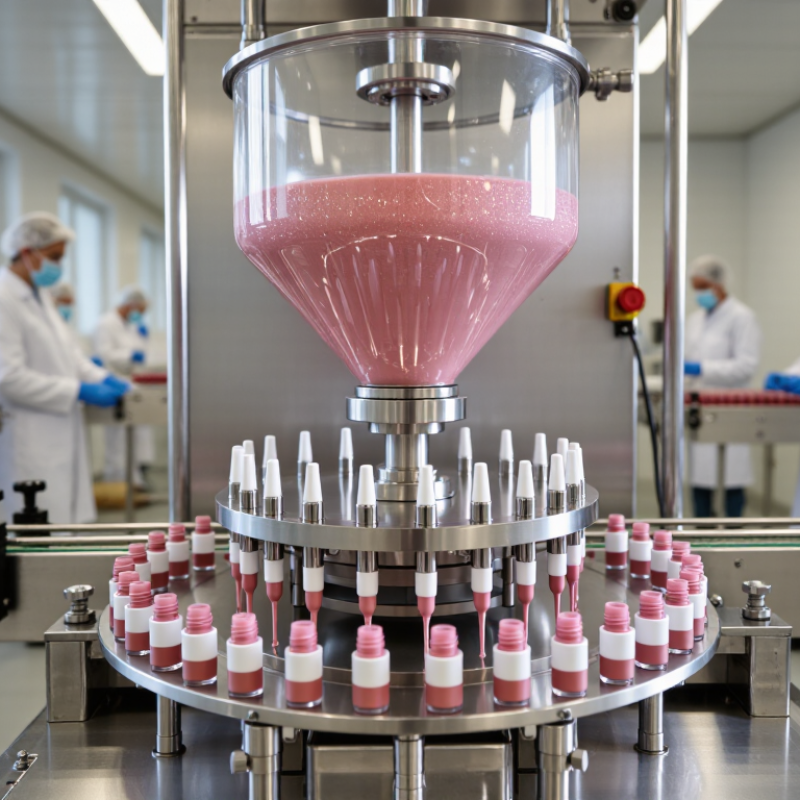
A lip gloss filling machine is equipment that measures and dispenses gloss into tubes, jars, or other containers. It usually includes a heated hopper, dosing pump, filling nozzle, and control panel. Heating keeps thick formulas moving smoothly. Without steady temperature, the gloss may become stringy or uneven.
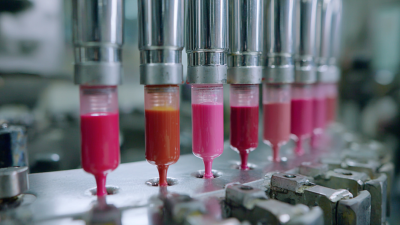
The process starts when empty containers reach the filling station. A sensor checks their position. The pump then pushes a measured volume through the nozzle. Piston pumps suit thicker glosses, while peristaltic systems can reduce product contact with internal parts. The nozzle may rise slightly after filling. This helps limit dripping and messy threads.
Small details matter. I have seen a minor temperature change create visible weight differences between containers. Operators should test fill weight, nozzle height, speed, and product temperature before production. No setting is perfect.
A good machine improves repeatability and reduces hand-filling fatigue. It can also support cleaner work when parts are removable and easy to sanitize. However, automation does not replace inspection. Staff still need to check fill levels, leaks, air bubbles, and container damage. Records of each adjustment improve traceability and make future batches easier to repeat.
Lip gloss production starts with preparation. Operators heat and mix oils, waxes, pigments, and glossing agents until the texture becomes smooth. Temperature control matters. A small variation can create streaks, bubbles, or uneven shine. Grand View Research estimates that the global lip care products market was worth about USD 3.7 billion in 2023. This growth increases pressure for faster, repeatable filling.
The filling machine is then cleaned, calibrated, and loaded with the prepared formula. Nozzle selection depends on viscosity and container size. A piston or servo-driven system dispenses a measured volume into each tube. The nozzle should enter steadily, fill from the bottom, and retract slowly. This reduces trapped air and messy edges. Not perfect every time. Highly viscous gloss may still require slower filling speeds. A 2023 PMMI packaging machinery report identifies labor availability and consistent quality as major reasons manufacturers adopt automation.
After filling, operators inspect the tube weight, surface finish, cap fit, and label position. Samples should be checked at regular intervals, not only at the beginning. The filled tubes then move through capping and packaging stations. In my experience, rushed cleaning causes more problems than machine speed. Product residue can harden around the nozzle overnight. That small detail can affect the next batch. Records of temperature, fill weight, cleaning, and adjustments support reliable production and stronger quality control.
Lip gloss demands consistent texture, shine, and fill volume. A filling machine helps control these variables during production. Grand View Research reported that the global lip care products market was valued at approximately USD 2.5 billion in 2022. It also forecasts a 5.9% compound annual growth rate from 2023 to 2030. This growth increases pressure on manufacturers to deliver reliable quality at higher output levels.
A lip gloss filling machine can regulate dosing through servo-driven pumps and adjustable filling parameters. This reduces visible volume differences between tubes and limits product waste. Controlled heating also helps maintain viscosity when formulas contain waxes, oils, or suspended pigments. Clean filling nozzles can reduce dripping around the package neck. That small detail affects both appearance and customer experience. The Packaging Machinery Manufacturers Institute has repeatedly identified automation, flexibility, and labor efficiency as major packaging priorities in its industry reports.
However, automation is not magic. An incorrect temperature setting may thin the formula and create leakage. Excessive filling speed can introduce air bubbles. Operators still need to check viscosity, nozzle alignment, seal quality, and batch records. In practice, the best results come from a machine matched to the formula, container, and cleaning procedure. I would also leave room for adjustment; real production rarely behaves as perfectly as a specification sheet suggests.
Why Use a Lip Gloss Filling Machine?
Common Machine Types and Their Features
A lip gloss filling machine improves consistency, speed, and production control. The right machine depends on formula thickness, container size, and daily output. Piston fillers are common for dense glosses. They deliver measured volumes through adjustable filling strokes. A heated hopper can keep the formula smooth. This matters when waxes or oils become firm during production.
Peristaltic fillers offer gentle handling and easier product contact control. The liquid moves through disposable or cleanable tubing. This design can reduce cross-contamination risks between batches. However, tubing may wear and affect accuracy over time. Servo-driven machines provide precise control over speed and fill volume. They also support recipe storage, which helps repeat production settings. Anti-drip nozzles keep gloss from stringing across container openings.
Tips: Test the actual formula before choosing equipment. Check its viscosity at the planned filling temperature. Inspect nozzle movement, seal quality, and fill weight during trials. Operators should record small changes, not trust settings blindly. Even accurate machines need regular cleaning and calibration. A faster machine is not always better. Poorly matched equipment can create bubbles, uneven levels, or messy rims. Heredity? No, formula behavior changes with temperature, mixing time, and storage.
| Machine Type | Filling Principle | Typical Output | Typical Accuracy | Suitable Product Characteristics | Main Features | Best Application | Key Limitation |
|---|---|---|---|---|---|---|---|
| Manual Filling Machine | Operator-controlled piston or syringe filling | Approximately 5–15 containers per minute | About ±2% to ±5%, depending on operator consistency | Low to medium viscosity gloss, oils, gels, and small batches | Low purchase cost, compact design, simple operation, minimal setup | Samples, testing, handmade production, and very small orders | Slow production and greater dependence on operator skill |
| Semi-Automatic Pneumatic Piston Filler | Compressed air drives a piston to measure and dispense product | Approximately 15–35 containers per minute | About ±1% to ±2% | Medium to high viscosity gloss, plumping formulas, and glitter formulas | Adjustable piston volume, foot-pedal or button control, stainless-steel product path | Small and medium production runs requiring improved consistency | Requires an air compressor and manual container handling |
| Servo Piston Filling Machine | Servo motor controls piston movement and filling volume | Approximately 25–60 containers per minute | About ±0.5% to ±1% | Medium to very high viscosity products with repeatable dosing requirements | Digital recipe settings, controlled suction and discharge speed, high repeatability | Commercial production with multiple fill sizes and frequent changeovers | Higher investment and more complex maintenance than pneumatic models |
| Peristaltic Pump Filler | Rotating rollers move product through flexible tubing without direct pump contact | Approximately 10–40 containers per minute | About ±1% to ±2%, depending on tubing and formula | Low to medium viscosity liquids and formulas requiring limited product exposure | Low cross-contamination risk, quick product-path replacement, easy cleaning | Color changes, sensitive formulas, laboratories, and short production campaigns | Tubing wear can affect accuracy; unsuitable for some very thick glosses |
| Multi-Nozzle Automatic Filler | Multiple synchronized pistons or pumps fill several containers in one cycle | Approximately 60–180 containers per minute, depending on nozzle count | About ±0.5% to ±1% | Stable medium to high viscosity formulas with consistent flow properties | Automatic indexing, container detection, drip control, and integrated conveyor operation | Medium to large-scale production with high daily volume | Higher setup cost and longer cleaning or changeover time |
| Automatic Monoblock Filling and Capping Line | Integrated filling, wiper insertion, and cap placement in one connected system | Approximately 40–120 containers per minute | About ±0.5% to ±1% | Standardized lip gloss packaging with stable container dimensions | Reduced manual handling, controlled line spacing, automatic fault detection, and repeatable capping | High-volume production and operations focused on labor reduction | Needs carefully matched containers, components, tooling, and production layout |
Why Use a Lip Gloss Filling Machine?
How to Choose a Machine for Your Production Needs
Choosing a lip gloss filling machine starts with the formula, not the advertised speed. Thick glosses may need heated hoppers, slow agitation, or wider filling nozzles. Lightweight formulas usually require gentler handling. Ask for a sample test using your actual product. A machine that performs well with water may struggle with glitter, oils, or high viscosity.
Check the target fill volume, container shape, and daily output. Servo-driven filling systems can improve accuracy, but they may cost more and require trained operators. Pneumatic systems can be practical for smaller production runs. Look for adjustable dosing, simple controls, and tool-free parts where possible. These details reduce changeover time and cleaning errors.
Cleaning access matters more than many buyers expect. Product can hide around pistons, valves, and nozzles. Request clear sanitation instructions before purchasing. Confirm that contact parts suit your formula and packaging materials. I would also examine spare-part availability and technical support. A low purchase price can become expensive during downtime.
Test it under real conditions. Include your smallest container.
No machine is perfect. I once focused too heavily on output speed and underestimated setup time. That mistake changed my evaluation process. Operators should trial the equipment, record fill variation, and inspect the first production hours. Choose capacity with some room for growth, but avoid paying for features your team cannot use reliably.


30 Beach Street, Mt Vernon, NY 10550
914-239-3878 sale@bbqmachine.com
© 2025 by TurboFil Packaging Machines, LLC