Skip to content
cosmetic packaging solutions now influence product safety, brand trust, carbon impact, and purchase decisions. Packaging is no longer a decorative shell. It is the first physical experience many customers have with a beauty product.
Grand View Research estimated the global cosmetic packaging market at USD 32.43 billion in 2023. Its report also projects continued growth through 2030, supported by skincare demand, premium cosmetics, and e-commerce distribution. Growth creates opportunity, but it also increases responsibility. A 30 ml serum bottle must survive filling, transport, bathroom storage, and repeated handling. A beautiful design is not enough.
Mark Constantine, co-founder of Lush, once said, “The best packaging is no packaging.” That idea remains useful, although it is not always practical. Liquid formulas, hygiene requirements, and shipping risks still demand protection. The real question is more complicated: what packaging provides necessary performance with fewer materials and less waste?
This guide introduces 10 practical criteria for selecting cosmetic packaging solutions. It considers material choice, product compatibility, recyclability, refill systems, labeling, manufacturing quality, cost, and customer experience. Industry reports provide valuable direction, but they cannot replace testing. A recyclable pump may perform poorly in local recovery systems. A refill pouch may reduce material use, yet create awkward bathroom handling.
There is no perfect package.
The strongest decision combines evidence, supplier experience, and honest trade-offs. It also leaves room for improvement. Brands should measure packaging performance after launch, listen to customers, and revise choices when real-world results challenge the original plan.
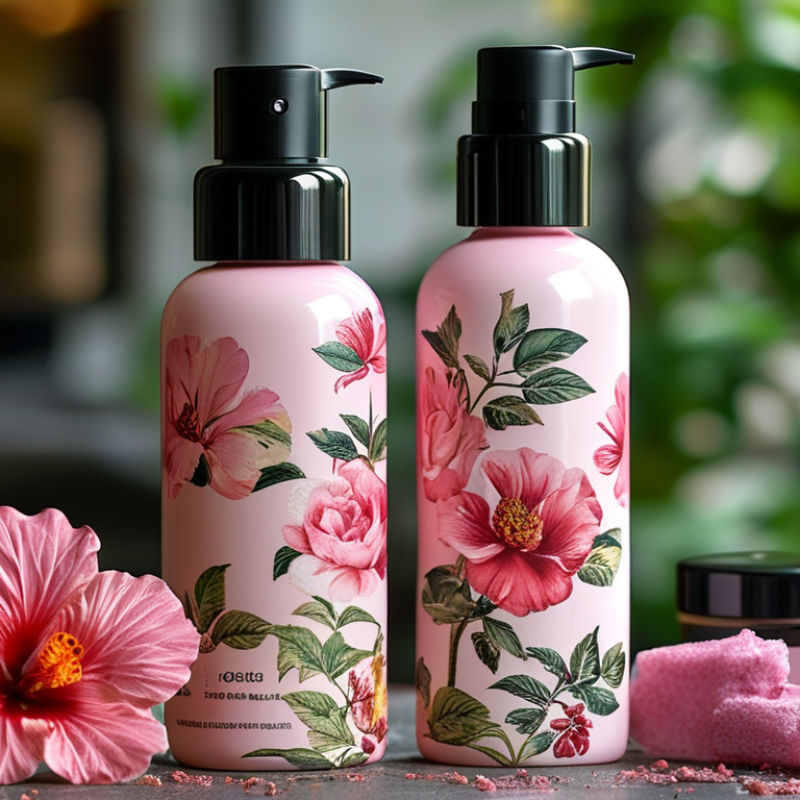
Defining product requirements is the foundation of effective cosmetic packaging. Start with the formula, fill volume, viscosity, and application method. A lightweight lotion may need a pump, while a thick balm could require a wide-mouth jar. Test the formula inside the intended material. Compatibility issues can appear after weeks, not hours.
Tip: Record every requirement in a simple packaging brief. Include dimensions, closure type, dispensing rate, product weight, storage temperature, and transport conditions. Also define the user experience. Can someone open it with wet hands? Does the package protect the formula from air and light? Small details often affect repeat purchases.
Packaging objectives should balance protection, appearance, production, and responsible material use. Check whether the container runs smoothly on filling equipment. Confirm that seals remain secure during shipping. Request technical documents and conduct drop, leakage, and stability tests before approval. A polished sample can still fail on a production line. That happens.
Tip: Rank objectives by importance. Safety and product protection should come before decorative features. Cost matters, but the cheapest option may create waste through leakage or breakage. Leave room for revision. A stronger design may still need better grip, clearer dispensing, or a more practical closure after real user testing.
Before selecting a cosmetic packaging solution, define the product’s key requirements and assign clear priorities to each packaging objective. This planning score compares common considerations such as product protection, compatibility, usability, sustainability, regulatory compliance, and cost control.
Material selection should begin with product compatibility, not appearance. Glass offers strong barrier performance and a premium hand feel. It also adds weight and breakage risk during transport. Plastic formats are lighter and more flexible, but resin choice matters.
The Ellen MacArthur Foundation reports that packaging represents about 40% of global plastic use. That figure makes material reduction worth serious attention. Recycled content can help, although supply quality remains inconsistent.
Format affects both user experience and product protection. Airless pumps can reduce repeated air exposure and help control dosage. Jars provide easy access, but fingers can introduce contamination. Tubes work well for creams and travel sizes.
Refill systems may lower material use, yet they require clear cleaning instructions and reliable replacement parts. No format wins every time.
Functional details often decide whether packaging succeeds in real use. Check pump accuracy, closure torque, label adhesion, and resistance to oil-based formulas.
The 2023 McKinsey report on sustainable packaging found that 60% to 70% of consumers would pay more for sustainable packaging. However, willingness may fall when the package feels inconvenient. That contradiction deserves testing.
Conduct drop tests, temperature trials, and dispensing checks before approval. Cosmetic packaging can look elegant on a shelf and still fail in a bathroom.
Mistakes happen. A slightly heavier closure may prevent leakage, but it can also increase shipping impact. Balance matters.
Choosing cosmetic packaging is a safety decision, not only a visual one. During practical evaluations, I inspect closures, seams, pumps, and inner surfaces before considering appearance. Tip 1: Request material specifications and safety data. Tip 2: Confirm the packaging meets the regulations in every intended market. Compliance documents should be current, traceable, and product-specific. A certificate alone is not enough.
Product compatibility needs testing with the actual formula. Check pH, alcohol content, oils, fragrances, pigments, and preservatives. Tip 3: Fill samples and observe them over time. Look for swelling, cracking, discoloration, odor changes, leakage, or blocked pumps. Tip 4: Test storage at room temperature, heat, and cold. Short tests can miss slow reactions. That matters. I have seen attractive containers fail after repeated opening and closing. We should question convenient laboratory results when real handling is ignored.
Safety also includes dispensing and consumer use.
Tip 5: Examine sharp edges and excessive force. Tip 6: Test the package during transport, including vibration and drop exposure. Tip 7: Verify tamper evidence and reliable closure performance. Tip 8: Check that the container protects light- or oxygen-sensitive formulas. Tip 9: Review labeling space for required information and readable instructions. Tip 10: Keep batch records, test conditions, and approval decisions. My own evaluations are not infallible, so independent testing can expose assumptions that internal reviews overlook.
10 Tips for Choosing Cosmetic Packaging Solutions
Sustainable packaging starts with measurable choices, not attractive claims. The OECD’s Global Plastics Outlook reports that only 9% of plastic waste was recycled globally. Tip 1: reduce material before selecting recycled content. Tip 2: compare refill, reuse, and lightweight options. Tip 3: check whether local facilities can process the package. A recyclable jar may still fail in practice. Tip 4: request supplier data on recycled content, energy use, and transport weight. My experience suggests that simpler structures are easier to explain and improve.
Branding should support recognition without damaging usability. Tip 5: test color, typography, and shape under bathroom lighting. Tip 6: make essential information readable on small surfaces. Tip 7: avoid decorative layers that complicate recycling. PwC’s 2024 Voice of the Consumer Survey found that consumers reported willingness to pay an average 9.7% more for sustainably produced goods. However, willingness does not guarantee loyalty. Price, convenience, and trust still matter.
Customer experience appears in small moments. Tip 8: design closures that work with wet hands. Tip 9: prevent leakage during travel and delivery. Tip 10: add clear disposal guidance, ideally through scannable information. The IBM Institute for Business Value found that 57% of surveyed consumers were willing to change purchasing habits to reduce environmental impact. Yet packaging decisions need real testing. A beautiful solution can feel wasteful, confusing, or fragile after one week.
10 Tips for Choosing Cosmetic Packaging Solutions
Review Costs, Suppliers, Testing, and Production Reliability
Packaging cost is more than the unit price. Include molds, decoration, filling adjustments, freight, storage, and rejected units. A low quotation may become expensive after revisions. Request a detailed cost sheet with minimum order quantities and tooling charges. Then compare suppliers on equal specifications, not attractive samples alone.
Inspect the supplier’s production records, quality procedures, and material traceability. Ask how they handle color variation, leakage, surface scratches, and late deliveries. A reliable partner should provide clear inspection standards and realistic capacity information. Visit the facility when possible. Look closely at molding areas, clean storage, and final packing. Small details matter.
Testing should match the product and its container. Check compatibility, sealing performance, drop resistance, temperature changes, and decoration durability. For pumps or tubes, measure dosage consistency across repeated uses. Keep samples from every trial batch. They create useful evidence when problems appear later. Production reliability also requires a pilot run before full-scale manufacturing. Review defect rates and filling speed under real conditions. Some plans fail because teams trust laboratory samples too quickly. That mistake is easy to make. Recheck assumptions. Allow time for corrective work, especially when the package feels premium but performs poorly on the filling line.
| No. | Selection Area | Recommended Evaluation Criteria | Typical Planning Benchmark | Evidence to Request | Main Risk if Overlooked |
|---|---|---|---|---|---|
| 1 | Define the Product and Pack Format | Match the package to the formula viscosity, fill volume, dispensing method, shelf life, and intended use. | Confirm nominal fill, allowable overfill or underfill, neck finish, closure type, and compatibility with the filling line before requesting quotations. | Product specification sheet, packaging brief, dimensional drawing, and preliminary compatibility requirements. | Leaking, poor dispensing, inaccurate filling, or a package that cannot protect the formula. |
| 2 | Compare Total Packaging Cost | Evaluate unit price together with tooling, decoration, freight, inspection, storage, and rejected-unit costs. | For many standard components, packaging cost is commonly assessed on a delivered-cost basis; custom tooling may add approximately USD 3,000–25,000 depending on complexity. | Itemized quotation, tooling ownership terms, decoration charges, freight assumptions, payment terms, and price-validity period. | A low quoted unit price becomes expensive after tooling, shipping, defects, and minimum-order commitments are included. |
| 3 | Check Minimum Order Quantity | Select an order quantity that supports production economics without creating excessive inventory or obsolete artwork. | Standard components may be available from approximately 5,000–20,000 units; customized parts often require 10,000–50,000 or more. | MOQ by component and decoration method, mixed-color rules, reorder quantity, and inventory-holding options. | Cash is tied up in unused stock, or small production runs become uneconomical. |
| 4 | Assess Supplier Capability | Review experience with the required material, molding process, decoration, tolerances, and cosmetic-product applications. | Prioritize suppliers that can demonstrate repeat production of comparable components and maintain documented quality procedures. | Technical capability profile, quality certifications where applicable, process flow, sample history, and customer-reference evidence without confidential information. | The supplier can make samples but cannot maintain consistent quality during volume production. |
| 5 | Verify Material and Formula Compatibility | Confirm resistance to oils, alcohol, acids, fragrances, preservatives, pigments, and other formula ingredients. | Use accelerated and real-time compatibility testing under intended storage conditions before commercial approval. | Material declaration, compatibility protocol, test samples filled with the actual formula, and results for odor, color, leakage, swelling, cracking, and weight change. | Stress cracking, discoloration, permeation, odor transfer, contamination, or loss of product performance. |
| 6 | Test Functional Performance | Test closure torque, pump or sprayer output, actuator performance, drop resistance, seal integrity, and opening or closing cycles. | Define measurable acceptance limits before testing; for pumps and sprays, output consistency is often evaluated across repeated actuations and samples. | Test method, sample size, pass/fail limits, calibration records, and completed laboratory or production-trial report. | The package looks acceptable but fails during shipping, consumer use, or repeated dispensing. |
| 7 | Review Decoration and Color Control | Evaluate print adhesion, color consistency, abrasion resistance, coating durability, barcode readability, and artwork tolerances. | Approve a production-standard color sample and define acceptable color variation using an agreed measurement method. | Color drawdown or decorated standard, artwork proof, ink and coating specifications, adhesion test, rub test, and inspection criteria. | Visible batch-to-batch variation, peeling graphics, unreadable regulatory information, or damaged branding during distribution. |
| 8 | Evaluate Production Reliability | Assess capacity, preventive maintenance, backup equipment, quality checkpoints, traceability, and continuity planning. | Request historical on-time delivery and defect data for comparable work; define service targets contractually rather than relying on verbal commitments. | Capacity plan, process-control plan, batch traceability, corrective-action records, inspection reports, and contingency plan for equipment or material disruption. | Missed launch dates, inconsistent batches, emergency freight, or an inability to recover from production interruptions. |
| 9 | Confirm Regulatory and Sustainability Requirements | Check material restrictions, recyclability claims, recycled content, labeling space, migration concerns, and market-specific requirements. | Require documented substantiation for environmental claims and verify that the complete package, including pumps, coatings, labels, and adhesives, is assessed. | Material composition statement, restricted-substance declaration, recycled-content evidence, recycling guidance, and applicable compliance documents. | Regulatory delays, unsupported environmental claims, recycling problems, or costly redesigns after launch. |
| 10 | Run a Pilot and Approve a Golden Sample | Use a controlled pilot run to validate filling, assembly, packing, transport, inspection, and final consumer handling. | Complete pilot approval before releasing full-scale production; retain an approved reference sample and signed specification. | Pilot-run report, first-article inspection, approved golden sample, packaging specification, control plan, and change-notification procedure. | Large-scale defects appear only after tooling, inventory, and production commitments have been finalized. |
Note: Cost, MOQ, lead-time, and performance figures are indicative planning ranges. Actual results vary by material, design complexity, decoration method, order volume, testing protocol, and destination market. Confirm all requirements with the selected supplier before approval.


30 Beach Street, Mt Vernon, NY 10550
914-239-3878 sale@bbqmachine.com
© 2025 by TurboFil Packaging Machines, LLC