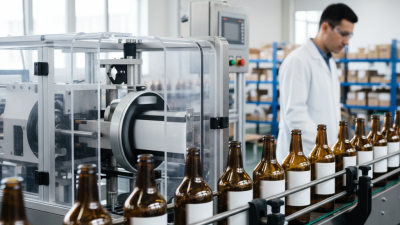
What is a labeling machine and how does it work?
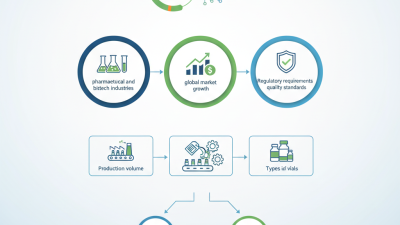
The labeling machine is a critical component in various industries, from food and beverage to pharmaceuticals. According to industry reports, the global labeling equipment market is projected to grow significantly, reaching over $5 billion by 2027. This growth underscores the machine's importance in enhancing product visibility and compliance with labeling regulations.
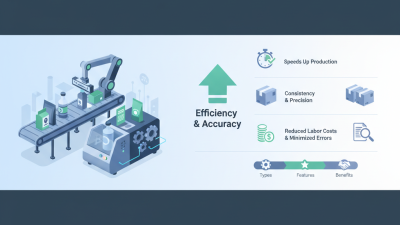
A labeling machine automates the process of applying labels to products. This ensures consistency and accuracy, reducing human error. In fast-paced environments, such devices increase efficiency and help meet consumer demand. However, despite the technological advancements, some common issues still arise, such as label misalignment or peeling.
Understanding how a labeling machine works provides insights into its operational design and benefits. Its influence on production lines is profound, impacting overall productivity. Businesses must regularly evaluate and improve their labeling processes to stay competitive and compliant in an ever-evolving market.
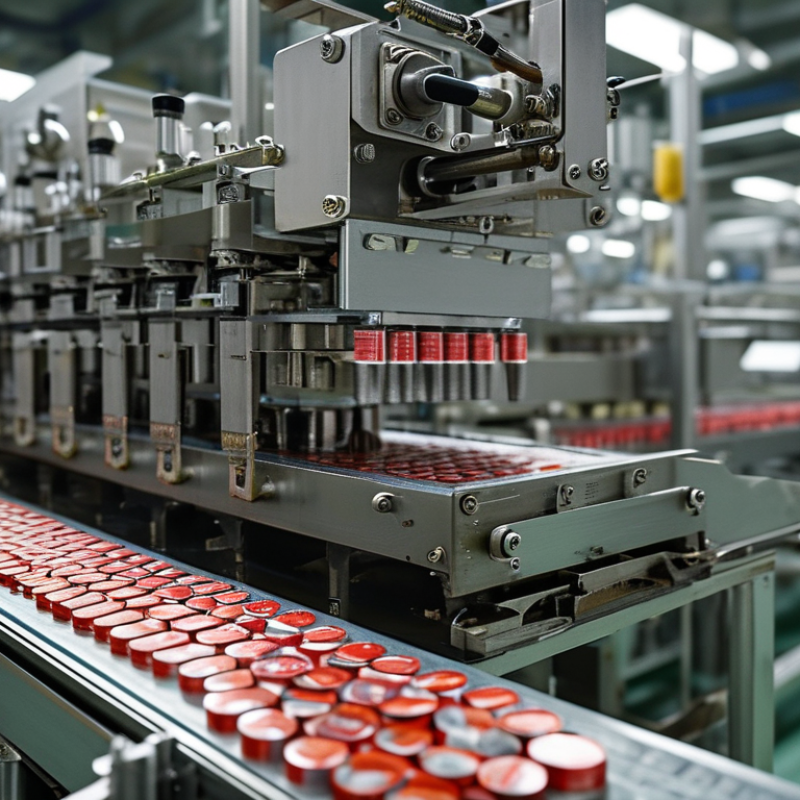
What is a Labeling Machine?
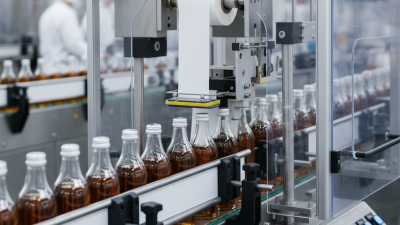
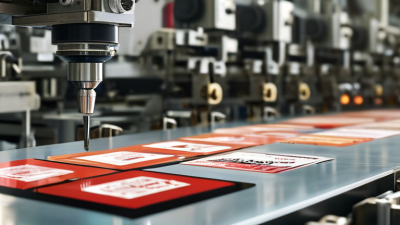
A labeling machine is an essential tool in various industries, primarily used for applying labels to products. This machine automates the labeling process, providing consistency and efficiency. It can handle a range of materials, from bottles to boxes, ensuring that every item receives accurate labeling. The operation involves feeding the product through a mechanism that applies the label in the correct position.
There are different types of labeling machines, including semi-automatic and fully automatic versions. Semi-automatic machines require some human intervention, while fully automatic machines operate independently, enhancing production speed. The adjustment of settings, such as label size and application speed, ensures compatibility with diverse product ranges. While labeling machines have transformed production lines, they sometimes pose challenges, like misalignment or label adhesion issues. Regular maintenance is crucial to prevent these faults, enhancing reliability and longevity.
Understanding the intricacies of labeling machines can be complex. Different environments may affect their performance. Both dust and humidity can impact label application. Observing these factors can improve efficiency. Besides, continuous training for staff operating these machines is necessary. It helps them troubleshoot and operate the machines effectively, reducing downtime. Exploring these elements can reveal areas for improvement in everyday operations, driving productivity forward.
Types of Labeling Machines and Their Applications
Labeling machines are essential in various industries, enhancing efficiency and accuracy. Their types cater to specific needs. Automated tabletop machines offer quick label application for small batches. In contrast, high-speed labeling machines suit high-volume production, ensuring seamless operation on assembly lines. According to a report by MarketsandMarkets, the global labeling machinery market is projected to reach $4.4 billion by 2026, indicating a growing trend.
Different labeling technology types exist. Pressure-sensitive labeling machines are popular for their ease of use and adaptability. Sleeve labeling machines are utilized for unique bottle shapes, providing a full-wrap label. This versatility meets diverse packaging requirements. A study from Freedonia Group highlights that demand for labeling will grow due to increasing e-commerce activities. Efficient labeling enhances product tracking and customer engagement.
Understanding specific applications helps in choosing the right machine. For example, food and beverage sectors require compliance with safety labeling standards. Cosmetics often demand high-resolution printing for brand appeal. When selecting a machine, identify your production needs and consider scalability. Regular maintenance can prevent downtime and ensure optimal performance.
Every labeling solution has strengths and weaknesses. For some products, labels may become difficult to peel or align. Evaluating user feedback on machinery can offer valuable insights for improvements.
Key Components of a Labeling Machine
Labeling machines are crucial in many industries, offering efficiency and precision in applying labels to various products. The primary components of a labeling machine include the labeling head, conveyor system, and the control panel. The labeling head is responsible for applying the label to the product, ensuring that it adheres properly and is placed accurately. A study by the Packaging Machinery Manufacturers Institute states that automated labeling systems can reduce labeling time by up to 25%.
The conveyor system moves products smoothly through the machine, allowing for high-speed operation. According to a recent report from Grand View Research, the labeling machine market is expected to grow at a CAGR of 5.8% through 2027. This increase is driven by the need for more automated solutions in packaging processes, highlighting the importance of reliable conveyor systems in these machines. The control panel enables operators to manage operations easily, adjusting settings according to production requirements.
While these components are essential, they can have limitations. For instance, incorrect label application can occur, leading to product recalls. Maintenance of the machine is also crucial. Failure to address wear and tear can impact efficiency and lead to downtime. Understanding these nuances is important for manufacturers aiming for operational excellence.
What is a labeling machine and how does it work? - Key Components of a Labeling Machine
| Component |
Function |
Material |
Typical Use Case |
| Label Dispenser |
Automatically feeds labels to the application area. |
Plastic/metal |
Used in bottling plants. |
| Conveyor System |
Moves products through the labeling area. |
Steel |
Used in high-speed packaging lines. |
| Label Applicator |
Applies the label to the product surface. |
Various plastics |
Used for jars and boxes. |
| Control System |
Manages the operation of the machine. |
Electronic components |
Used in all automated labeling systems. |
| Sensors |
Detects the position of the products for accurate labeling. |
Silicon |
Essential for precise application. |
How Does a Labeling Machine Operate?
Labeling machines play a crucial role in various industries, ensuring products are accurately labeled before reaching consumers. Understanding how these machines operate can help streamline production processes.
Labeling machines utilize a series of components to function effectively. The primary components include a label dispenser, applicator, and control system. Once the machine is loaded with a roll of labels, the control system activates. Sensors identify when a product is in position. This triggers the applicator to apply the label at high speed. The entire process is automated, improving efficiency.
When using a labeling machine, it’s essential to maintain it regularly. Over time, dust and debris can accumulate and affect performance. Consider running routine cleaning cycles to keep it functioning smoothly. Additionally, test labels on a few products before mass application. This ensures correct alignment and prevents waste.
Another critical aspect is the need for calibration. Labels and products come in various sizes. A mismatch can lead to inaccuracies. Regularly check settings to align the label dispenser with the product dimensions. These small adjustments can make a significant difference in production quality.
Benefits of Using Labeling Machines in Various Industries
Labeling machines are essential in many industries. These devices automate the process of applying labels to products, which increases efficiency and reduces labor costs. In the food and beverage sector, for example, accurate labeling is crucial for compliance with health regulations. A small mistake can lead to serious consequences, highlighting the need for reliable machines.
In pharmaceuticals, precise labeling ensures that patients receive the correct medication. Mislabeling can pose health risks. Therefore, having a labeling machine that consistently delivers accuracy is vital. Automation helps to streamline production lines, allowing companies to focus on quality and safety.
However, not all labeling machines are perfect. Some models may struggle with specific label types or sizes, leading to downtime. Regular maintenance and adjustments are necessary to prevent these issues. Businesses must continuously evaluate their labeling processes to ensure efficiency and compliance. The benefits of effective labeling machines often outweigh the challenges, making them indispensable in modern manufacturing.
Benefits of Using Labeling Machines in Various Industries
 Skip to content