China Best Vial Labeling Machine Supplier How to Choose?

Choosing a China vial labeling machine supplier requires more than comparing prices on a quotation sheet. The right decision affects label accuracy, production continuity, operator safety, and future maintenance. A reliable supplier should understand your vial diameter, label material, adhesive behavior, line speed, and inspection requirements. Ask for test videos using your actual vials and labels. Small differences in curvature can create wrinkles, bubbles, or poor adhesion.

Experience becomes visible during these tests. A professional manufacturer should explain machine tolerances, changeover time, sensor performance, and cleaning access in clear language. They should also provide technical drawings, installation guidance, spare-parts recommendations, and documented quality checks. Request references from comparable pharmaceutical or healthcare packaging projects, where appropriate. A low-cost offer may look attractive. It may become expensive later. Check the control system, electrical components, warranty terms, and response time for service support.

Compliance should remain part of the conversation, not an afterthought. The supplier must support your applicable quality procedures and provide appropriate documentation for validation and traceability. Independent inspection can strengthen confidence before shipment. Still, no supplier is perfect. Even experienced teams may overlook unusual label coatings or seasonal temperature changes. Discuss these risks openly and record agreed solutions. When choosing a China vial labeling machine supplier, judge evidence rather than promises. A trustworthy partner will welcome practical questions, disclose limitations, and help you build a stable labeling process instead of simply selling equipment.

China Best Vial Labeling Machine Supplier How to Choose?

What Is a Vial Labeling Machine and Why Does Supplier Choice Matter?

A vial labeling machine applies labels accurately to small glass containers used in pharmaceutical and laboratory production. It may use sensors, rollers, or vacuum systems to position each label. This sounds simple. In practice, vial surfaces vary in diameter, height, and curvature. Tiny changes can cause wrinkles, loose edges, or unreadable codes. Operators also need steady feeding, gentle handling, and quick size changes.

Supplier choice matters because the machine becomes part of a controlled production process. An experienced supplier should understand label adhesion, sensor calibration, line integration, and cleaning requirements. Reliable technical documents are essential. Ask for operating instructions, maintenance schedules, validation support, and clear performance data. A supplier should test your actual vials and labels, not only show a general demonstration. That difference matters.

Check adjustment time, labeling accuracy, coding compatibility, and reject handling. Ask how service support works after installation. Spare parts should be identifiable and reasonably available. Training also deserves attention; a complex machine may perform poorly when instructions are vague. A low purchase price can hide expensive downtime. However, the most advanced model is not always the best choice. I have seen specifications look impressive while changeovers remained frustrating. That possibility deserves honest discussion. Request sample results, inspect the finished labels closely, and leave room for practical operator feedback.

China Best Vial Labeling Machine Supplier: How to Choose?

What Is a Vial Labeling Machine and Why Does Supplier Choice Matter?

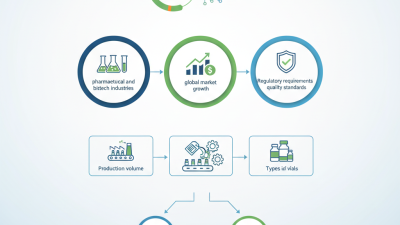
A vial labeling machine applies and positions self-adhesive labels on round pharmaceutical vials. When comparing suppliers, buyers should verify the machine’s operating range, labeling accuracy, compatible vial diameters, label dimensions, and achievable production speed. The ranges shown are representative procurement benchmarks commonly used for pharmaceutical packaging equipment and should be confirmed against the supplier’s technical datasheet and validation results.

Which Vial Labeling Machine Features Should You Evaluate First?

When evaluating a vial labeling machine, begin with container handling, not headline speed. In production trials, small vials can roll, tilt, or stop beneath the applicator. Check whether the machine supports your vial diameters, heights, and surface finishes. Ask for a live test using your own containers and labels. Watch label placement at the shoulder, body, and curved edge. Good systems maintain consistent positioning without excessive pressure. Important detail. Confirm the labeling tolerance in millimeters, then inspect samples from a full run. A fast machine with poor alignment creates waste, rework, and unclear identification. That lesson is easy to miss during a short demonstration.

Next, examine changeover design, sensor accuracy, and operator controls. Tool-free adjustments, recipe storage, and clear alarms can reduce setup mistakes. The label sensor should detect transparent gaps and varied label materials reliably. Ask how the machine handles missing, doubled, or damaged labels. An integrated vision check may improve traceability, but only if its lighting and inspection settings remain stable. Evaluate actual output, not a brochure number. Compare running speed, reject rate, compressed-air use, cleaning access, and noise. Request electrical drawings, operating records, training plans, and service response details from the supplier. Documentation shows technical maturity. Still, no checklist is perfect. Leave time for a second trial after adjustments, because early results may hide practical problems.

China Best Vial Labeling Machine Supplier How to Choose? - Which Vial Labeling Machine Features Should You Evaluate First?

Vial Labeling Machine Evaluation Data Table
Evaluation Dimension Typical Reference Data Why It Matters What to Verify First
Vial Diameter Range Common automatic models handle approximately 10–50 mm diameter containers; some models are designed for narrower ranges. The diameter affects product stability, sensor detection, label positioning, and changeover requirements. Provide the smallest and largest vial diameter, height, shape, material, and tolerance.
Labeling Speed Typical intermittent or wrap-around systems operate from about 30 to 300 containers per minute, depending on vial and label specifications. Rated speed does not always equal sustainable production speed after loading, inspection, rejects, and stoppages are considered. Request a factory acceptance test using the actual vials and labels at the required production rate.
Label Placement Accuracy Well-configured systems commonly target approximately ±0.5 to ±1.0 mm placement repeatability under controlled conditions. Accurate placement supports readable text, barcode scanning, regulatory presentation, and consistent appearance. Define the measurement method, sample size, vial tolerance, label tolerance, and acceptable deviation.
Label Dimensions Many vial labelers support labels from roughly 10–150 mm in height and 20–300 mm in length, subject to machine design. Label size influences web tension, dispensing speed, wrap overlap, and the available adjustment range. Confirm maximum and minimum label length, height, gap, adhesive type, liner material, and winding direction.
Label Roll Capacity A commonly used roll configuration includes a 76 mm inner core and an outer roll diameter of approximately 250–350 mm, depending on the machine. Larger rolls reduce the frequency of roll changes and can improve operating continuity. Check the actual core diameter, maximum roll diameter, label winding direction, and available roll-change space.
Container Separation and Detection Typical systems use photoelectric or capacitive sensors plus an adjustable spacing mechanism; clear glass and transparent containers may require specialized detection. Reliable detection prevents missed labels, double labeling, and unstable spacing between vials. Test transparent, amber, frosted, glossy, and partially filled vials if they are used in production.
Label Material Compatibility Paper, coated paper, synthetic films such as PE or PP, and pressure-sensitive adhesive labels are commonly processed, but settings vary by material. Different materials have different stiffness, static behavior, release-force, and adhesive characteristics. Run trials with the exact label stock, liner, adhesive, print coverage, and storage conditions.
Labeling Mode Available configurations may include front labeling, wrap-around labeling, partial wrap, two-sided labeling, and tamper-evident application. The correct mode depends on whether the vial requires one label, a full circumference label, or multiple labels at fixed positions. Confirm label position, wrap percentage, overlap, orientation, and whether multiple applicators are required.
Changeover and Adjustment Manual changeovers may require guide, sensor, conveyor, and applicator adjustments; recipe-based controls can reduce repeated setup work. Fast, repeatable changeover is important when multiple vial formats or short production batches are involved. Measure changeover time with a defined operator and confirm whether tool-free adjustment and saved recipes are available.
Inspection and Reject Functions Optional systems can verify label presence, position, barcode readability, print quality, and cap or vial orientation before automatic rejection. Inspection reduces the risk of unlabeled, incorrectly labeled, or unreadable vials reaching the next process. Specify inspection points, camera resolution, barcode standards, reject confirmation, and data-recording requirements.
Integration Capability Common integration points include conveyors, unscramblers, filling lines, coding systems, vision inspection, reject units, and line-control signals. A standalone labeler may not perform reliably if its infeed and outfeed speeds are not synchronized with the rest of the line. Confirm line speed, conveyor height, product flow direction, communication signals, and available installation space.
Control and Data Features Useful functions include touchscreen recipe management, alarm history, password levels, production counters, and electronic parameter control. Clear controls help operators reproduce settings and identify faults without excessive manual adjustment. Check language options, user permissions, batch data, audit-trail needs, and compatibility with site procedures.
Construction and Hygiene Stainless-steel contact and external surfaces, smooth frames, guarded moving parts, and tool-accessible cleaning areas are common design considerations. The construction should support cleaning, corrosion resistance, operator safety, and the environmental conditions of the facility. Review material grades, cleanability, safety guarding, washdown limitations, and applicable site or industry requirements.
Utilities and Electrical Requirements Many machines use single-phase or three-phase electrical power; pneumatic rejecters or applicators may require clean, regulated compressed air. Incorrect voltage, insufficient air pressure, or unstable air quality can cause downtime and inconsistent labeling. Confirm voltage, frequency, connected load, air pressure, air consumption, filtration, and plug or connection standards.
Operational Availability Availability depends on actual run speed, planned maintenance, roll changes, cleaning, setup time, and fault recovery; it should be validated rather than assumed. A lower nominal speed can deliver more usable output if it has fewer stoppages and faster recovery. Request a trial report showing output, reject rate, stoppage causes, changeover time, and continuous operating duration.
Service and Spare Parts Critical wear parts commonly include sensor components, drive belts, rollers, dispensing edges, motors, and control-related components. Accessible spare parts and documented maintenance procedures reduce the impact of unexpected downtime. Evaluate spare-parts availability, response time, remote support, manuals, training, warranty terms, and service coverage.

Reference values are typical evaluation ranges for automatic vial labeling equipment. Actual performance depends on vial geometry, label construction, adhesive, line layout, operator settings, and validation conditions.

How to Compare China-Based Vial Labeling Machine Suppliers

Comparing China-based vial labeling machine suppliers starts with the vial, not the quotation. Ask for the vial diameter, height, label material, adhesive, and required speed. Request a video test using your actual containers and labels. A clean demo matters. It is not enough. Check label placement tolerance, reject handling, sensor stability, and changeover time. Ask whether the machine supports round, oval, or partially filled vials without losing accuracy.

Technical credibility appears in documents and measurements. Compare electrical standards, stainless-steel quality, guarding, control systems, calibration records, and spare-parts availability. Request a written performance range, not “high precision.” Review factory assembly, wiring quality, and inspection procedures. Ask for factory acceptance testing, site acceptance testing, and validation support when applicable. No supplier gets every detail right. The quality of their answers matters.

Compare total ownership cost over three years. Include tooling, shipping, installation, training, validation support, consumables, spare parts, and downtime. Contact customers using similar vial sizes, rather than relying only on testimonials. Check export documents and packaging quality. A lower price may exclude safety devices or change parts. That distorts comparison. Require every promise in the contract, including speed, accuracy, test conditions, acceptance criteria, warranty limits, and service response times. Record unclear assumptions before payment.

What Quality, Compliance, and Service Standards Should Suppliers Meet?

Choosing a vial labeling machine supplier requires more than comparing speed and price. The supplier should understand sterile production areas, fragile glass surfaces, and small label tolerances. Ask for documented experience with similar vial sizes and label materials. A practical factory test should use your actual vials, labels, adhesives, and line speed.

Quality begins with controlled manufacturing and traceable components. Look for an ISO 9001 quality system and clear inspection records. Pharmaceutical projects may also require GMP-aligned design, risk assessment, and data integrity controls. The supplier should provide drawings, material certificates, software records, and change-control procedures. Vision inspection, missing-label detection, and reject verification deserve close attention. Small gaps can create expensive problems.

Compliance paperwork must support commissioning and validation. Request FAT and SAT protocols, plus IQ, OQ, and PQ documentation where applicable. Electronic records should support access control, audit trails, and secure backups. Requirements vary by market, so local regulatory advice remains important. Do not treat a certificate as proof of every capability. It is only evidence. Service quality matters just as much. Confirm installation training, response times, spare-parts availability, and remote diagnostics. Ask who answers after midnight. Real production rarely follows office hours. One honest concern remains: suppliers may promise easy changeovers, yet operators can struggle with adjustment steps. Watch a live demonstration and speak with users before deciding.

How to Select the Best Supplier for Your Vial Labeling Requirements

Selecting the best supplier for vial labeling requires more than comparing machine speed. According to MarketsandMarkets’ 2024 Pharmaceutical Packaging Market report, the sector is projected to grow from about USD 128 billion in 2023 to USD 172 billion by 2028. This growth increases demand for accurate, traceable labeling equipment. Ask suppliers to match the machine with your vial diameter, label material, production speed, and batch size. A line running 300 vials per minute is useless if it causes wrinkles or misalignment.

Look for evidence, not attractive claims. The supplier should provide a clear user requirement specification, factory acceptance testing, site acceptance testing, and documented IQ/OQ support. Electronic records should support applicable 21 CFR Part 11 and EU GMP expectations. Vision inspection, barcode verification, automatic rejection, and tamper-resistant data logs deserve careful review. According to the 2023 ISPE Pharmaceutical Engineering Trends report, digital traceability and data integrity remain major priorities for modern manufacturing sites. Small details matter here.

Service capability often separates a reliable partner from a cheap machine builder. Request response-time commitments, spare-parts availability, operator training, and references from facilities using similar vials. Examine sample labels under real conditions, including cold storage and condensation. Do not trust a perfect demonstration. Ask for a deliberately difficult trial. I would also question unusually low pricing; hidden validation and maintenance costs may appear later. My own selection mistake would be focusing too heavily on speed. Consistent placement, documented support, and practical changeover time usually matter more.