Skip to content
Choosing among China’s best automatic capping machine suppliers requires more than comparing catalog prices. Buyers must assess torque accuracy, container compatibility, production speed, and after-sales support. A capable supplier should provide test videos, factory evidence, technical drawings, and documented quality procedures. Small details matter. A loose cap can cause leakage, contamination, or costly product recalls.
Industry data supports this need for disciplined purchasing. PMMI’s 2024 State of the Industry report identifies labor shortages and automation investment as continuing priorities for packaging manufacturers. Grand View Research also reports steady growth in the global packaging machinery market, driven by food, beverage, pharmaceutical, and personal-care production. These trends increase demand for reliable capping systems, especially equipment that integrates with filling, labeling, and inspection lines. However, market growth does not guarantee supplier quality. That assumption deserves caution.
This guide examines China-based suppliers through practical criteria, including machine materials, servo or pneumatic control, cap-feeding design, changeover time, and factory acceptance testing. Stainless-steel contact parts, repeatable torque settings, and clear electrical documentation can reveal engineering maturity. Buyers should also verify certifications, export experience, spare-parts availability, and remote commissioning procedures. A supplier may quote an attractive unit price, yet installation delays can erase the initial saving. Real performance depends on the complete project, not the machine alone. References from comparable plants are valuable, but they should be checked independently. Supplier rankings can guide research, not replace technical validation.
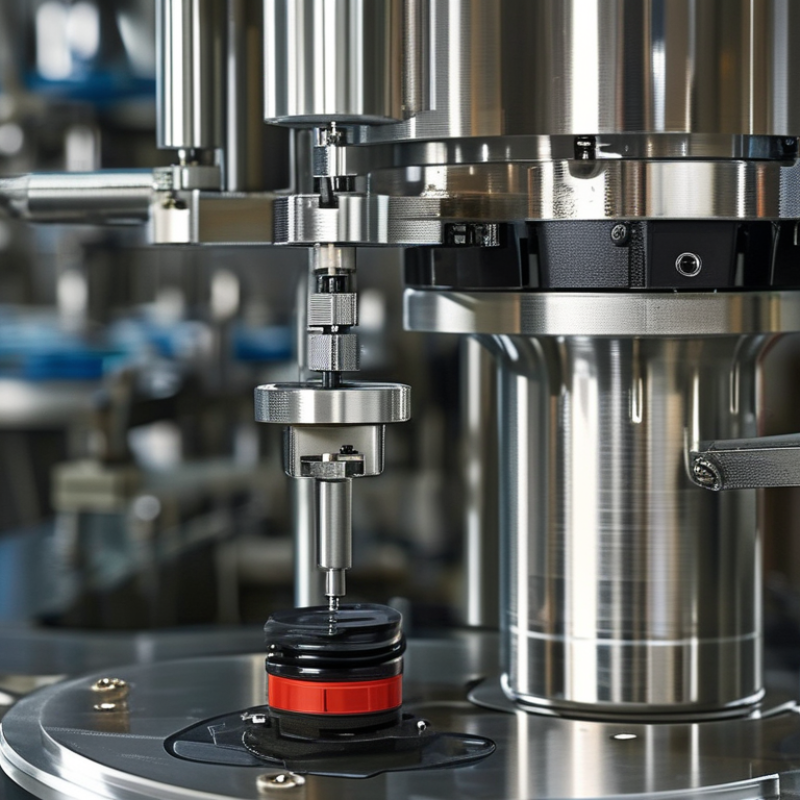
An automatic capping machine places and tightens caps with limited operator intervention. It usually includes a cap sorter, delivery chute, positioning system, and tightening head. Bottles move along a conveyor, while sensors detect their position. The machine then applies controlled torque before releasing each container. Some models use spindle wheels, chuck heads, or servo-driven systems. Each method suits different cap shapes and production speeds.
According to PMMI’s packaging automation reports, labor availability and consistent quality remain major reasons for adopting automated equipment. A 2024 Grand View Research analysis also estimated steady growth in the global capping equipment market through 2030. However, speed alone can mislead buyers. A line running 120 bottles per minute may perform poorly with uneven caps, unstable bottles, or wet threads. In practical trials, torque variation often appears before a visible leak. The first setup is rarely perfect. That detail deserves attention.
Tips: Test the exact bottle, cap, and product before purchasing. Ask suppliers for torque records, changeover time, and reject-rate data. A short video is not enough evidence. Check whether operators can clean the cap path without special tools. Also inspect emergency stops, guarding, sensor accuracy, and spare-part availability. When comparing China-based suppliers, request a factory acceptance test and written performance limits. One overlooked detail is cap storage; warped caps can make a reliable machine look faulty.
Which Industries Use Automatic Capping Machines in China?
Automatic capping machines serve China’s food, beverage, cosmetics, pharmaceutical, and household chemical industries. The food and beverage sector uses them for water, sauces, dairy drinks, edible oils, and nutritional products. Lines often handle hundreds of bottles per minute. Operators monitor cap alignment, torque, and seal performance beside stainless-steel conveyors.
Cosmetic factories need gentle handling for lotions, creams, shampoos, and essential-oil containers. Pharmaceutical plants demand stronger control. They commonly connect capping units with filling, inspection, and batch-tracking systems. The International Society for Pharmaceutical Engineering highlights automated closure control as an important part of consistent packaging quality. Small torque differences can still cause leakage.
Demand is expanding with wider packaging automation. Grand View Research reported that the global packaging machinery market reached about USD 52.8 billion in 2023, with continued growth forecast through 2030. China’s large manufacturing base supports this trend, especially in beverage and personal-care production. Mordor Intelligence also identifies China as a major packaging machinery market in Asia-Pacific. However, market reports usually group capping equipment with broader machinery categories. They do not show every factory’s real operating conditions. A reliable supplier should therefore test the customer’s bottle shape, cap material, speed, and torque range before recommending equipment. This step is easy to overlook. It should not be.
Choosing a Chinese automatic capping machine supplier requires more than comparing prices. PMMI reported that U.S. packaging machinery shipments reached about 10.2 billion dollars in 2022. This reflects strong demand for reliable automation.
Ask suppliers for measured data, not attractive promises. Check cap speed, torque accuracy, reject rates, changeover time, and compatible container materials. Request videos from a similar production line. Better still, attend a factory acceptance test and inspect the machine while running.
A serious evaluation should include factory capability, quality control, and technical support. Review ISO 9001 certification, electrical safety documentation, spare-parts lists, and inspection records. Ask how torque is calibrated and how often sensors are verified.
PMMI’s 2023 packaging automation research also highlights labor efficiency and equipment integration as continuing investment priorities. Therefore, confirm communication protocols, line synchronization, and remote troubleshooting before signing.
A supplier may quote 120 bottles per minute, but that figure may exclude unstable containers or frequent adjustments. I would test real caps and bottles for several hours. That exposes problems quickly.
Service promises can also sound better than they perform. Define response times, installation duties, training hours, and warranty limits in writing. One overlooked detail remains risky: local voltage and air-quality requirements can affect commissioning.
China’s best automatic capping machine suppliers offer more than attractive equipment prices. They understand how cap design, bottle shape, and production speed affect sealing performance. Experienced suppliers ask for real samples before recommending a machine. This practical step prevents many costly adjustments later. They should also explain torque ranges, changeover time, and compatible cap materials in clear language. Technical confidence matters.
Strong suppliers provide stable customization and careful factory testing. They can match the capper with conveyors, filling machines, sensors, and inspection systems. A useful factory acceptance test should measure torque consistency, rejection accuracy, and running speed. Ask for recorded test data, not only promises. Detailed manuals, wiring diagrams, and maintenance schedules also show professional control. Training should include setup, cleaning, troubleshooting, and safe operation. Hands-on guidance helps operators avoid repeated errors.
After installation, service quality becomes visible. Reliable suppliers keep critical spare parts available and offer practical remote support. Response times should be written into the service agreement. Local technicians are helpful, but clear video diagnostics can also reduce downtime. No supplier gets every detail right. A capper may need adjustment after several weeks of production. That is normal, though ignored problems are not. Check references from factories using similar bottles and speeds. Review warranty terms carefully. A supplier that accepts technical questions, documents limitations, and corrects mistakes earns more trust than one offering polished sales language.
When comparing automatic capping machine suppliers, begin with your real production conditions. Record bottle sizes, cap materials, target speed, and required torque. Ask for a machine test using your own containers and caps. A serious supplier should provide clear specifications, adjustment ranges, and changeover times. Factory videos help, but they cannot replace an onsite inspection or live test.
Check the supplier’s engineering experience through installation records, service procedures, and customer references from similar industries. During testing, measure torque consistency, cap alignment, reject handling, noise, and cleaning time. Review electrical diagrams and safety documentation carefully. Do not accept vague claims about precision. Ask who handles commissioning, operator training, and troubleshooting after delivery. Response time matters when a production line stops.
Compare the complete cost, not only the machine price. Include spare parts, shipping, installation, software support, and future format changes. A written acceptance test should define speed, torque limits, and defect rates. The contract should also identify warranty duties and replacement-part availability. No supplier is perfect. I would question any quotation that promises zero maintenance or unlimited flexibility. A simple scoring sheet can expose weak areas, although human judgment still matters. Walk through the supplier’s workshop if possible. Look for organized assembly, traceable components, and technicians who explain limitations honestly.


30 Beach Street, Mt Vernon, NY 10550
914-239-3878 sale@bbqmachine.com
© 2025 by TurboFil Packaging Machines, LLC