Best Filling Machine for Efficient Production in 2026?
In the ever-evolving landscape of manufacturing, the right filling machine is crucial for maximizing efficiency. Industry experts predict that the demand for high-performance filling machines will continue to surge in 2026. According to a report by Grand View Research, the global filling machine market is expected to reach $6 billion by 2025, growing at a compound annual growth rate (CAGR) of 6.5%. Such insights highlight the importance of selecting advanced technology and innovation.
Renowned industry expert Dr. Lisa Wang has emphasized, “The efficiencies gained from modern filling machines can redefine production limits.” It is vital to consider factors such as speed, accuracy, and adaptability when choosing a filling machine. The best options will seamlessly integrate with existing production lines while accommodating diverse product types.
Manufacturers should reflect on their current processes. Are they truly maximizing their production potential? In the quest for efficiency, overlooking the importance of a robust filling machine could lead to missed opportunities. Investing in the right technology is not just about speed; it's about precision and scalability in a competitive market.
Best Filling Machines Overview: Types and Applications
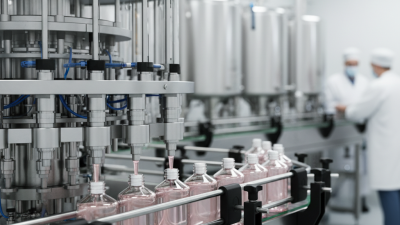
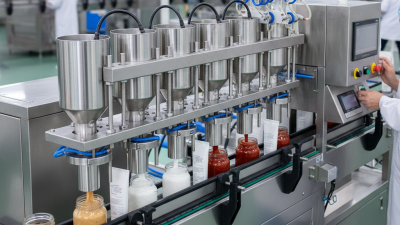
Filling machines play a crucial role in various industries, including food and beverage, pharmaceuticals, and chemicals. Different types serve specific applications, ensuring optimal efficiency. For instance, volumetric filling machines measure predetermined amounts of liquid, making them ideal for products like oils and syrups. They are known for their accuracy and consistency. Precision is key in production settings where even minor errors can lead to significant losses.
Another common type is the gravimetric filling machine, which weighs products before filling. This system is perfect for powders or granular substances. It requires frequent calibrations and checks to maintain reliability. Operators must monitor these machines closely to ensure they function well. A small inconsistency can compromise product quality and safety, leading to customer dissatisfaction.
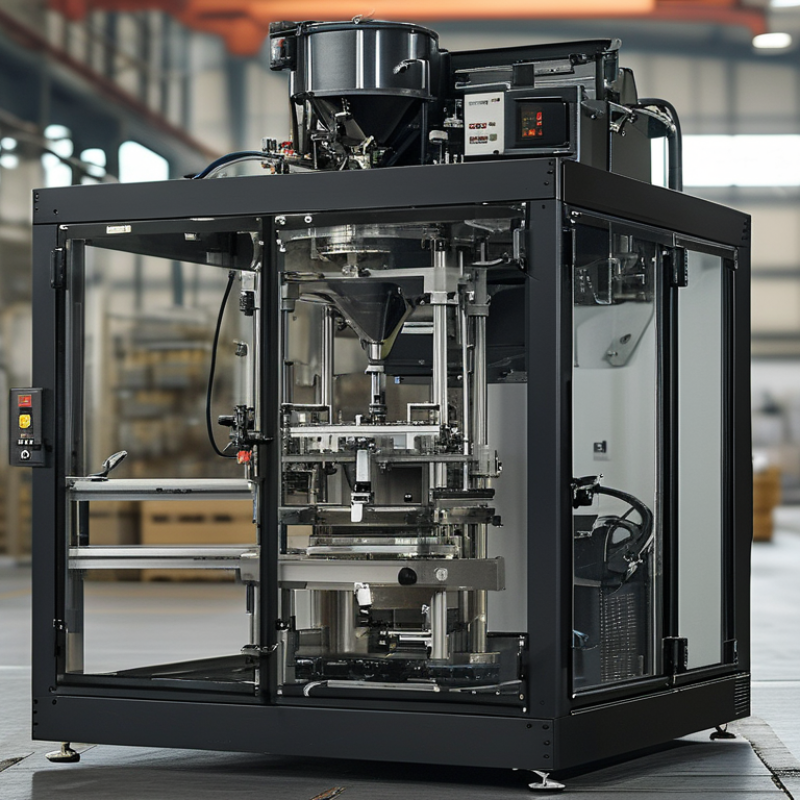
Piston fillers provide versatility, accommodating various viscosities. These machines can handle everything from thin juices to thick pastes. However, they require more maintenance due to the complexity of their mechanisms. Experience in operating and troubleshooting equipment is valuable. While advancements in technology continue to improve efficiency, challenges remain. Operators face evolving demands, necessitating frequent updates and adjustments.
Key Features to Consider for Filling Machines in 2026
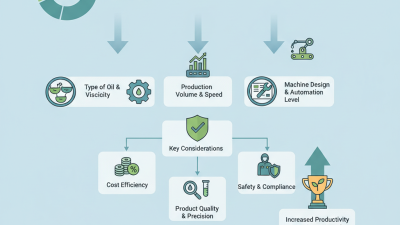
When selecting a filling machine for efficient production in 2026, several key features stand out. The machine's speed is crucial. A faster filling rate can significantly boost output. However, striking a balance between speed and accuracy is essential. Overly rapid filling may lead to spills or inconsistencies in product quantity. An optimal filling machine minimizes waste while maximizing productivity.
Another vital aspect is the ease of use and maintenance. User-friendly controls are important for reducing training time. The machine should allow for quick adjustments to accommodate different product types. Regular maintenance is also a factor to consider. A design that facilitates easy cleaning can save time and labor costs. If a machine is difficult to maintain, it might lead to production delays.
Flexibility in handling various container sizes and types is another attribute to ponder. The demand for diverse packaging in today's market is growing. Machines must adapt to this changing landscape. However, flexibility can compromise efficiency if the machine's settings are complex. Manufacturers should weigh these trade-offs carefully when choosing a filling machine for their production lines.
Top Brands and Models of Filling Machines for Efficient Production
When choosing a filling machine for efficient production in 2026, focus on top brands and models recognized for their reliability. Advanced technology is crucial. Look for machines that offer precise filling and fast operation. Such equipment reduces waste and increases productivity, catering to diverse industries.
Many modern filling machines come with user-friendly interfaces. These features enhance operator efficiency. Ease of maintenance is another key factor. Machines that require less downtime are essential for continuous production. Conduct regular evaluations of machine performance. This ensures optimal operation over time.
Consider the scale of operation. Smaller businesses may benefit from compact models. Larger operations might require high-capacity machines. Reflect on your specific needs before purchasing. Investing in quality filling equipment will pay off. Efficiency leads to better output and potential growth in market share.
Technological Innovations in Filling Machines for Increased Efficiency
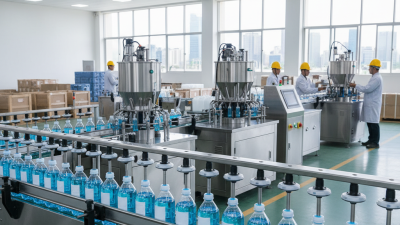
The filling machine industry is witnessing significant technological innovations aimed at boosting efficiency. Advanced automation is a key trend. Recent reports indicate that fully automated filling lines can increase production speeds by up to 30%. These systems reduce human error and ensure consistent fill levels. Companies can adapt easily to various container sizes and shapes, which enhances flexibility in operations.
Another significant innovation is the integration of smart technology. Predictive maintenance systems can alert operators to potential failures before they occur. Industry data shows that businesses using these systems can reduce downtime by as much as 25%. Furthermore, the use of IoT devices allows for real-time monitoring of the filling process. This data can lead to better decision-making and increased production efficiency.
While these advancements are promising, it’s important to note that they also bring challenges. The initial investment for these technologies can be substantial. Additionally, staff may need extensive training to manage new machinery effectively. As companies adopt these technologies, they must balance innovation with practicality. Ensuring a smooth transition will be vital for maintaining production quality.
Filling Machine Efficiency Comparison (2026)
Future Trends Impacting Filling Machine Selection and Usage
As industries prepare for the evolving landscape of packaging, the demand for efficient filling machines is predicted to rise. According to a recent market analysis, the global filling machine market is expected to experience a CAGR of 5% from 2023 to 2026. This growth is driven by advancements in automation and the need for higher production rates. Businesses are increasingly seeking machines that offer precision, speed, and adaptability to various product types.
Future trends indicate that sustainability will also play a pivotal role in filling machine selection. Companies are looking for equipment that can handle eco-friendly packaging materials. Research suggests that about 70% of consumers prefer brands committed to sustainability. As such, manufacturers are urged to design machines that reduce waste and energy consumption. However, achieving these goals can complicate the manufacturing process, necessitating a careful balance between efficiency and eco-friendliness.
Another crucial factor is the integration of smart technology. The rise of the Internet of Things (IoT) is leading to machines that can monitor performance in real-time. This data allows companies to optimize production, but it also raises questions about cybersecurity and data management. Reports show that 40% of firms have faced challenges with implementing IoT solutions effectively. The shift towards smart filling machines is both promising and fraught with potential pitfalls that need careful consideration.
 Skip to content