Skip to content
Choosing the best bottle labeling machine in 2026 depends on the product, container shape, production volume, and operator experience. A compact round bottle line may need different equipment from a high-speed system handling square containers. The right choice is rarely the most expensive one.
This guide examines practical performance rather than attractive specifications alone. It considers labeling accuracy, changeover time, sensor reliability, adhesive control, cleaning access, and compatibility with glass, PET, and other common packaging materials. A machine that applies labels neatly at 120 bottles per minute may struggle when bottles arrive dusty, slightly uneven, or poorly spaced. Real factory conditions matter.
The evaluation also considers installation support, spare-part availability, training, warranty terms, and documented quality procedures. These details often influence ownership costs more than the original purchase price. Safety features and compliance with applicable local requirements remain essential. No machine wins everywhere. That assumption can fail.
Our perspective combines manufacturer information, technical evaluation, and practical packaging concerns. However, performance claims should still be tested with the buyer’s actual bottles, labels, and filling environment. A short factory trial can reveal wrinkles, skewed labels, or difficult adjustments that brochures rarely mention. Even experienced buyers can overlook operator workload during long shifts. For that reason, this article does not promise one universal winner. Instead, it explains how to compare each bottle labeling machine fairly, identify hidden limitations, and select equipment that remains dependable as production needs change.
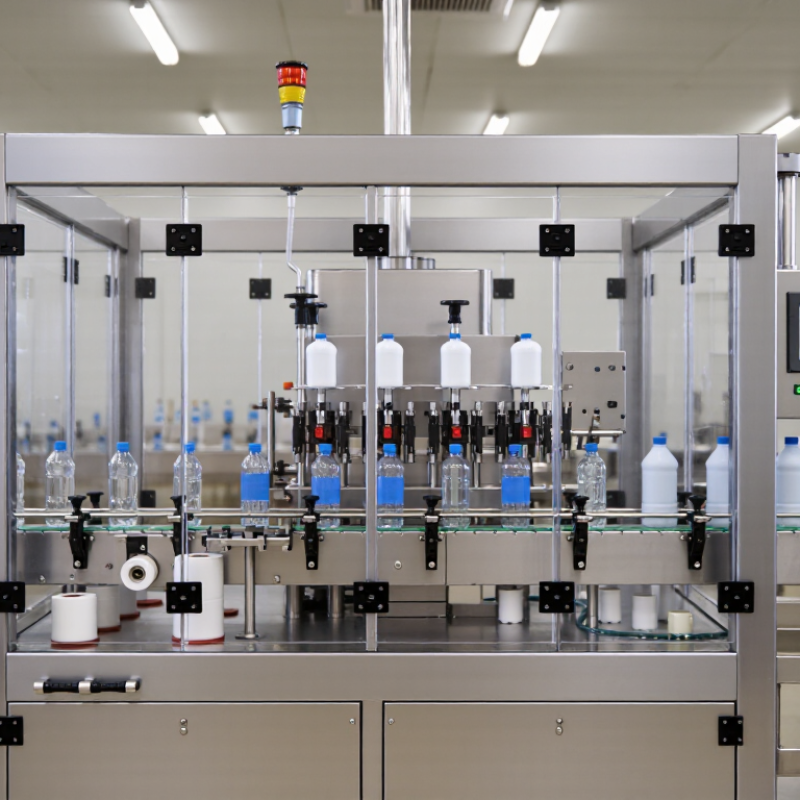
A bottle labeling machine applies labels to round, square, or tapered containers at controlled speed. The process usually starts with a conveyor, which spaces each bottle. A sensor detects its position. Then, a label dispenser peels one label from its backing. A pressure roller or brush presses the label onto the bottle surface.
Modern systems often use servo motors, programmable controls, and vision inspection. These parts coordinate bottle spacing, label release, placement, and rejection. Pressure-sensitive models suit many beverage, cosmetic, and household containers. Wraparound systems use adhesive or heat-sealed materials for cylindrical bottles. The best choice in 2026 will depend on bottle shape, label material, production speed, and cleaning requirements.
Industry data supports this move toward automation. PMMI’s 2024 State of the Industry report identifies labor availability and productivity as important packaging investment factors. Smithers’ 2024 outlook also reports continued growth in global label demand through 2028, increasing pressure on accurate application. A practical line may run 100 to 300 bottles per minute, but speed alone can mislead. Poor bottle spacing creates wrinkles, skewed labels, and waste. I have found that a slower, stable machine often delivers better operating results. The uncomfortable part is maintenance. Even advanced equipment needs sensor cleaning, roller adjustment, and regular calibration. There is no perfect machine for every bottle.
Bottle labeling machines differ by how they apply labels and move containers. Pressure-sensitive systems apply pre-coated labels without water or heat. They suit round bottles, flat panels, and frequent design changes. Wrap-around machines rotate each bottle while applying a full-circumference label. Front-and-back systems place two labels on one container, often using sensors to align them. For curved bottles, alignment can drift. It happens.
Sleeve labelers place a tube-shaped film over a bottle, then use heat to shrink it into place. They cover complex shapes, but require heat-shrink equipment and careful film control. Inline machines move bottles past a labeling head in a straight line; rotary models carry several bottles around a rotating platform for higher output. Semi-automatic units work well for short runs, though operators still load and position each bottle. Small batches matter.
PMMI’s 2023 State of the Industry report put U.S. packaging machinery shipments above $10 billion in 2022. That figure covers many machine types, not labelers alone, but it reflects broad investment in packaging automation. For a real production line, compare bottle diameter, label material, changeover time, and required speed. Ask for a test with your own bottles. A catalog speed is not always the speed your line will achieve.
Choosing the best bottle labeling machine in 2026 starts with measurable performance, not impressive speed claims. Compare application accuracy, operating speed, and label placement consistency. A reliable machine should keep labels aligned within a narrow tolerance, even when bottles vary slightly in shape. Ask for test results using your own containers, labels, and adhesive. A showroom sample may look perfect. Production rarely does.
Check changeover time carefully. An operator should adjust guides, sensors, and label settings without complicated tools. Record the minutes needed to move from a 250-milliliter bottle to a 1-liter bottle. Also examine the machine’s handling of transparent labels, textured surfaces, and tapered containers. Sensors must detect gaps reliably. Poor detection creates wrinkles, exposed seams, and wasted rolls. It happens.
Throughput matters, but uptime matters more. Compare actual output during a full shift, including stops for cleaning, roll replacement, and adjustments. Inspect the control interface, fault messages, guarding, and access to wear parts. Stainless steel construction can simplify cleaning in demanding production areas. Energy use and compressed-air requirements should enter the cost calculation too. A lower purchase price may hide expensive downtime. Request maintenance schedules, training details, spare-part availability, and documented service response times. The strongest choice is rarely the fastest machine. It is the one that performs predictably with your bottles, operators, and daily workload.
| Machine Configuration | Typical Planning Speed | Label Types | Bottle and Application Fit | Key Strengths | Main Trade-Offs | Best Suited For |
|---|---|---|---|---|---|---|
| Semi-automatic pressure-sensitive labeler | About 5–30 bottles per minute | Pressure-sensitive labels | Usually one label on cylindrical or selected shaped containers; the operator loads and removes each bottle. | Lower initial investment, compact footprint, and straightforward operation. | Output depends on operator pace; less suitable for continuous, high-volume production. | Small batches, product trials, and businesses with frequent product changes. |
| Automatic inline pressure-sensitive labeler | About 30–200 bottles per minute | Pressure-sensitive labels; one or more label stations can be configured. | Commonly used for cylindrical bottles; front-and-back applications may require bottle orientation or additional stations. | Can integrate with conveyors and upstream or downstream equipment; flexible for multiple SKUs. | Performance depends on bottle stability, label placement requirements, and line integration. | Small- to medium-sized production lines seeking automated application and product flexibility. |
| Rotary pressure-sensitive labeler | About 100–600 bottles per minute | Pressure-sensitive labels, depending on station design. | Best suited to stable, repeatable containers and high-volume applications; handling and orientation requirements vary by bottle. | Designed for high throughput and continuous production when correctly matched to the container and line. | Typically needs more floor space, investment, and format-specific setup than a basic inline system. | High-volume plants running established products for long production runs. |
| Wrap-around labeler | About 60–300 bottles per minute | Pressure-sensitive or roll-fed wrap-around labels, depending on the machine configuration. | Primarily cylindrical containers that can rotate consistently during application. | Provides broad circumferential coverage and suits round bottles and jars. | Less suitable for containers that cannot be reliably rotated or for applications requiring separate front-and-back labels. | Beverage, food, and other production lines using cylindrical containers. |
| Shrink-sleeve labeling machine | About 60–400 containers per minute, depending on sleeve handling and the shrink tunnel. | Heat-shrink film sleeves, including full-body and partial sleeves. | Can accommodate a range of container shapes; final fit depends on sleeve design and container geometry. | Enables extensive container coverage and can accommodate shaped bottles that are challenging for flat labels. | Requires sleeve handling and a compatible shrink process; heat, utilities, and material behavior must be considered. | Products needing full-body graphics, tamper-evident bands, or labels for shaped containers. |
How to choose: First confirm container shape, label material and format, required label positions, and sustained line speed. The speed ranges above are broad planning estimates, not guaranteed machine ratings; actual output varies with bottle dimensions, label size, spacing, product handling, and line configuration. Request a test using your own bottles and labels, and verify changeover requirements, placement tolerance, reject handling, guarding, and integration before purchase.
What Is the Best Bottle Labeling Machine in 2026?
The best bottle labeling machine depends on the industry and container design. Beverage plants often label round glass or plastic bottles at high speed. Their machines need stable conveyors, accurate sensors, and strong adhesion around curved surfaces. Cosmetics manufacturers face different challenges. Small jars, oval bottles, and flat containers require careful positioning and gentle handling. A slight shift can make a premium product look poorly finished.
Pharmaceutical and household chemical producers may need batch coding, tamper-evident labels, or narrow application tolerances. Bottle shapes can complicate everything. Tapered containers may wrinkle labels, while square bottles can create corner lifting. For thin bottles, excessive pressure may cause movement or deformation. In my experience, testing real containers is more useful than trusting a machine’s general specification. I have seen an impressive setup fail because the sample bottles were too flexible. That detail was missed.
Tips: Match the machine to the bottle, not only the label size. Test filled and empty containers. Check label placement after cooling, washing, and transport. Ask operators to measure changeover time. It often takes longer than expected. Keep spare rollers and sensors available, because small alignment problems can stop production. Review rejected bottles weekly. The pattern may reveal a setting issue, not an equipment failure.
The right labeling solution depends on bottle shape and production needs. This qualitative 1–5 fit guide compares common labeling methods across typical container geometries; it is not a market-share or performance test.
How to read it: Higher scores indicate a more straightforward fit. Wrap-around pressure-sensitive and hot-melt systems suit cylindrical bottles; front-and-back systems work well on flat-sided containers; shrink sleeves can conform to tapered and contoured shapes. Food and beverage, cosmetics, pharmaceuticals, and household products may use different bottle shapes, so confirm label material, line speed, and compliance requirements before selecting equipment.
What Is the Best Bottle Labeling Machine in 2026?
Choosing the best bottle labeling machine starts with your production reality, not a sales brochure. Define bottle diameter, material, label size, adhesive type, and hourly output. A machine handling 120 bottles per minute may seem powerful, but it can waste material on a 30-bottle-per-minute line. Measure actual demand.
According to Grand View Research, the global packaging machinery market was valued at about $56.7 billion in 2023. It is projected to grow at roughly 5.7% annually through 2030. This growth reflects stronger automation needs, but bigger is not always better. A compact automatic or semi-automatic system may deliver better payback for smaller operations. Check changeover time, label-position accuracy, sensor performance, and access to replacement parts. Small delays matter.
Think about tomorrow.
PMMI industry reports consistently identify labor availability, flexibility, and machine integration as key packaging concerns. Choose equipment that connects with your conveyor, coding unit, and inspection system. Ask for a live test using your own bottles and labels. Inspect rejected containers after one full production shift. The first test may look perfect. Real production can expose dust, condensation, uneven surfaces, or operator errors. I would also calculate total cost over five years, including maintenance, training, energy, label waste, and downtime. A cheaper machine can become expensive when adjustments require constant attention.


30 Beach Street, Mt Vernon, NY 10550
914-239-3878 sale@bbqmachine.com
© 2025 by TurboFil Packaging Machines, LLC